

Becoming Emily
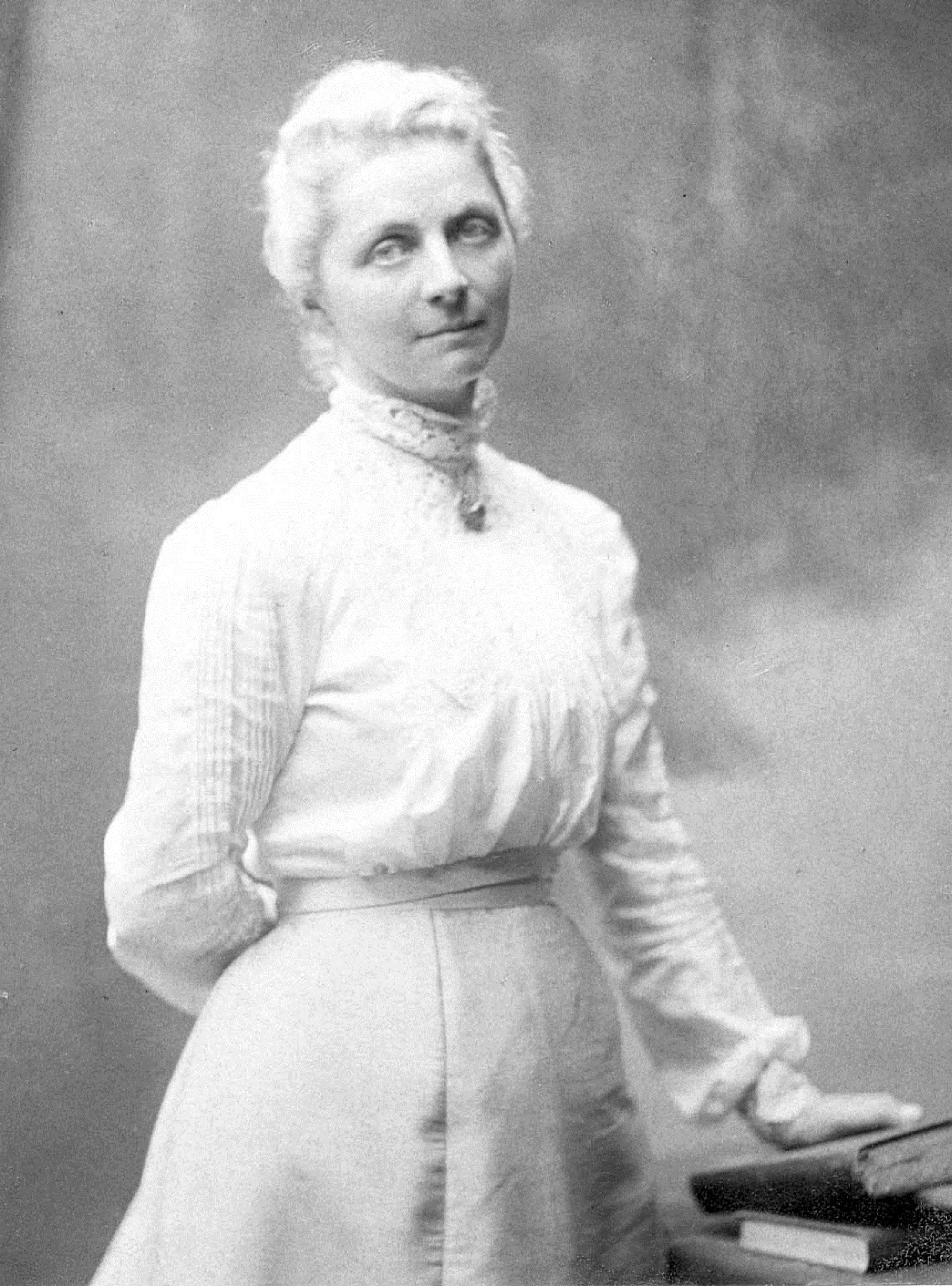
Emily Hobhouse is remembered and honoured for her work to alleviate others' suffering. However, her work was also the crucible which forged her. It cultivated and transformed her into the woman we celebrate today.
Have you ever thought about how everything she experienced affected her? In her numerous letters and other writings, she left us some of her thoughts.
When she lived in Warren House, St Ives, near the sea in 1921, she wrote the following:
“As I read over the old letters and papers of sixty years, the first thing that strikes me is the many mistakes I have made – the frequent misjudgement of men and things.
Viewing all in the light of riper experience, I see in a flash how much better I could have acted, or written or spoken. Is this, I wonder, a universal experience? Strange that I have muddled through.
“[Edmund] Waller must have felt this when he wrote:
The soul’s dark cottage, battered and decayed,
Let's light through chinks that time has made.
Stronger by weakness, wiser men become
As they draw near to their eternal home.
“Secondly, I am struck by how pain passes, whether physical, mental or spiritual. Gashes may be left, but they do heal. One reads with surprise the burning words written under pressure of some torture through which one has passed.
“And thirdly, how often I have been misunderstood – almost entirely from my lack of ability to explain myself, through lack of ready words, or through lack of courage.
Clinging to the love of Truth and a passion for Justice. Will the spirit go on living when the final decay comes? I ask myself. I like [Maurice] Maeterlinck’s thought: ‘The dead live again every time we remember them.”
Centenary of her passing
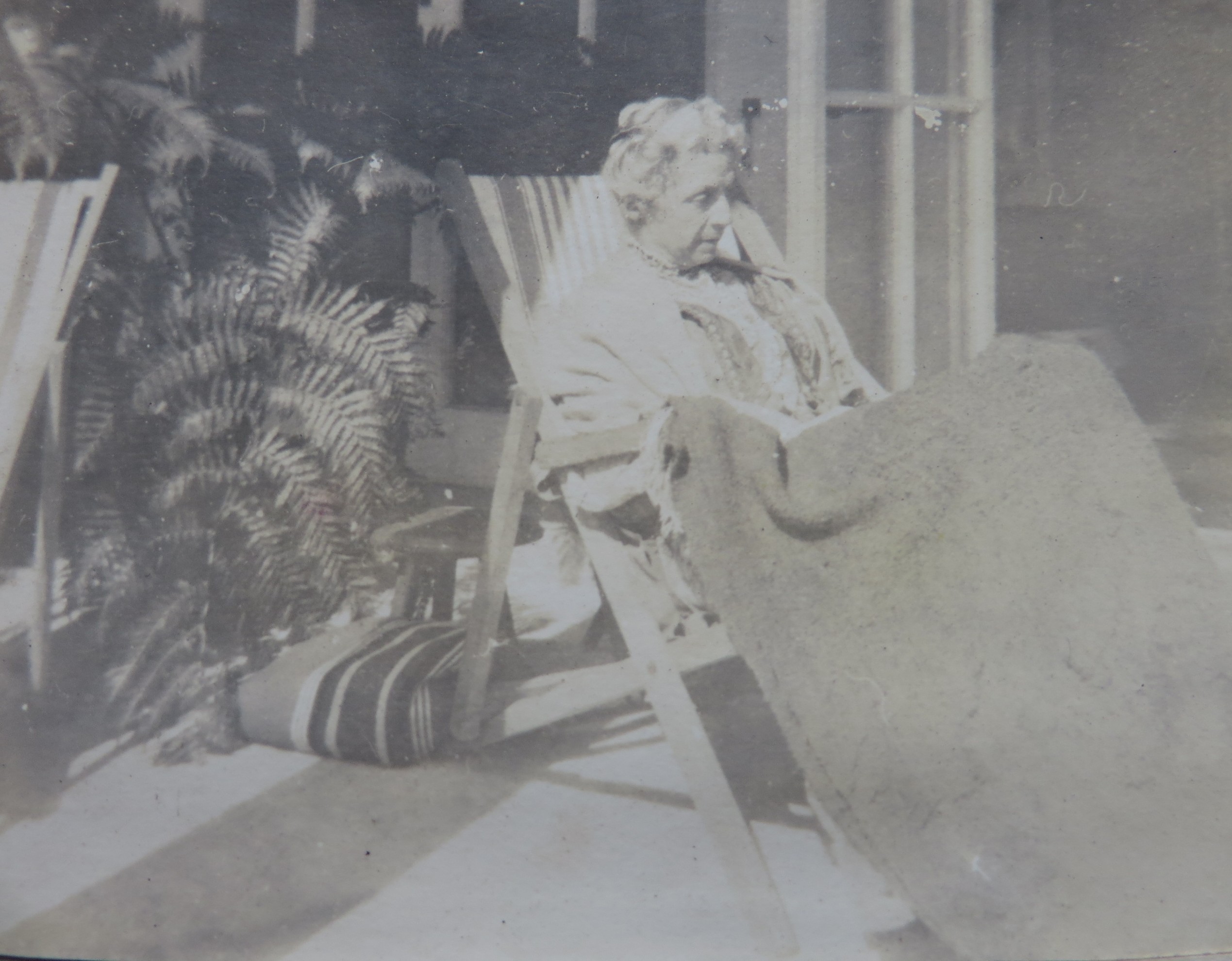
As she thought about her own mortality, she could not know that her messages of hope, pacifism, equality, and human rights would be remembered. That she would be remembered.
On the 8th of June 1926, she died in a flat in Kensington, London. This year, the centenary of her passing, we will commemorate her life and legacy at The Story of Emily, with a unique event on the 13th of June.
It will entail music, food, a specially curated temporary exhibition about her life, previously unseen artefacts, and the planting of a tree.
Leave a personal message for or about Emily on a large new Memory Tree, see the flowers and palm leaves that were so abundant at her funeral in South Africa. And bring the children along, as there will be games and fun for them.
After Emily died in 1926, her family offered her ashes to South Africa. Her friend, Tibbie Steyn, wife of the former president of the Orange Free State, accepted immediately. She started to organise a grand state funeral.
More than 20 000 people attended.
There was a long, silent procession from the church in town to the Women’s Monument, where her ashes were placed into a niche. It is the same monument for which she contributed to the design of the three bronze central figures. These were based on a real event she witnessed on the 2nd of May 1901 at the Springfontein Station.
“The mother neither moved nor wept. It was her only child. Dry-eyed but deathly white, she sat there motionless looking not at the child but far, far away into depths of grief beyond all tears. A friend stood behind her who called upon Heaven to witness this tragedy and others crouching on the ground around her wept freely.
A lifelong pacifist
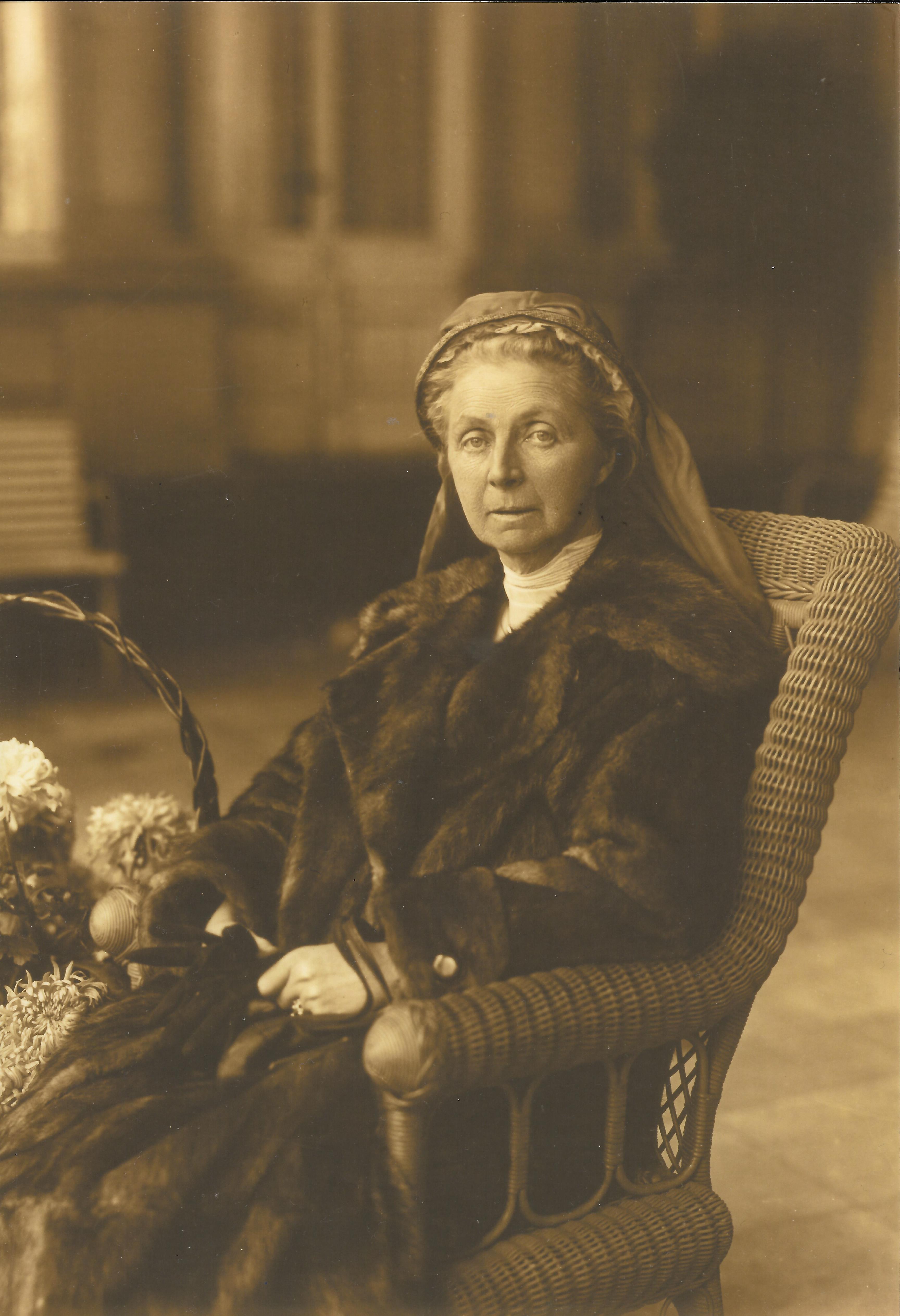
This scene and similar ones Emily witnessed during the war changed her views on politics and governments, and on war and peace.
“I survived to tell the tale. Lived also to sum up Governments as poor things more careful of their own prestige than of justice and right. And always when the conduct of war is in question devoid of conscience . . . That is, I think one of the worst features of war . . . the rotting away or jeopardy of Justice, Truth and Humanity,” she wrote.
Her lifelong quest to oppose war was thus entrenched.
Her constant letter-writing throughout her life also required a (psychological) explanation, Emily felt.
“Possibly this is the result of a solitary life. The greater part of mine has been spent in silence, without mental or spiritual companionship, often without even the relief of a servant to speak to. The human desire for interchange of speech is strong, and was, I think, the force which inspired my constant letters.
“My pen was my tongue,” she wrote during her last years.